All Categories
Featured
Table of Contents
This is especially true with financial obligation settlement. You may send out money to a debt settlement company for numerous years before learning your lenders won't work out with them. With the exception of some nonprofits, there will be a cost for financial obligation relief. This includes company fees for services or funding products, attorneys' fees for insolvency, and even nonprofit counseling firms that sometimes charge a cost for facilitating your month-to-month payments.
If you have debt forgiven, it may be considered taxable income. If so, the creditor who forgives the financial obligation will send you a 1099-C detailing how much the original financial obligation was and how much was forgiven.
Even if you ultimately settle or get the debt dismissed, a record of the incident will remain on your credit reports for 7-10, and can make it difficult to get approved for loans at budget-friendly rates in the near future. In summary, there are a variety of ways to get relief, and each has its own benefits and drawbacks.
You might choose to manage financial obligation relief yourself, but working with a professional could lead to more alternatives for restructuring or minimizing your debt. A credit counselor can analyze your unique circumstance your budget plan, credit history and more to make tailored recommendations for an option.
These personal financing professionals can teach you the fundamental abilities to minimize financial obligation and manage your costs. They frequently offer a suite of services, readily available through a series of phone or in-person visits, that are implied to help consumers avoid financial emergency situations, manage debt, develop credit, achieve monetary stability and more.
Ways to Resolve Credit Card Debt in 2026
Credit therapists aim to provide the best financial recommendations based on all of the info you share. A credit therapist must present you with a clear strategy of action, but it may take more time and effort than you anticipated to reach your goal.
The end-goal of being debt-free is most likely worth it, but some consumers lose persistence and drop out before they eliminate all their debt. Based on your particular financial institutions, your financial obligation balances, and other information like whether or not you're present on your payments, you may be qualified to register in a debt management program.
Here's what you need to think about up-front: You'll make one monthly payment to the counseling firm that will then be distributed to your creditors in agreed upon terms. A debt management program can save you from damaging your credit by avoiding missed out on payments. Plus, your scores will improve as you pay for debt balances gradually.
Under a DMP some of your creditors might agree to reduce your regular monthly payment amount, minimize your rates of interest, or forgive particular fees. Financial obligation management programs typically take 3-5 years to complete. The counseling firm typically charges an enrollment and upkeep charge to help cover the expense of their services, including processing your payments.
How to Seek 2026 Financial Relief Help Immediately
That could consist of a boost in your rate of interest or monthly payments, or renewed late fees. If you're required to close your credit accounts under a financial obligation management strategy, you'll likely see an immediate drop to your credit report. These points might take a while to restore. Financial obligation consolidation involves securing a new loan or credit to pay off debt.
2026 Expert Analysis to Effective Debt ReliefThe goal of financial obligation consolidation is to make financial obligation payment more budget-friendly or more manageable. However this choice has its own dangers and benefits:. You could utilize a credit card or a individual loan to combine debt, by getting a brand-new account through your bank, credit union or otherwise.
You might have the ability to get a lower rates of interest when you secure a new loan to consolidate, especially if your credit history have enhanced or if you have actually settled a substantial amount of your initial financial obligation balances. Not only do lower rates conserve you money however they can also help you pay off financial obligation faster.
Complete Guide to Lowering Debt in 2026
Some loans require collateral, such as your home or automobile. A collateral loan might come with lower rates, however you'll risk losing your residential or commercial property if you fall behind on the payments. Debt settlement involves working out with creditors to pay less than the complete amount you owe. You can attempt to make these settlements yourself, or work with a debt settlement business that works out in your place.
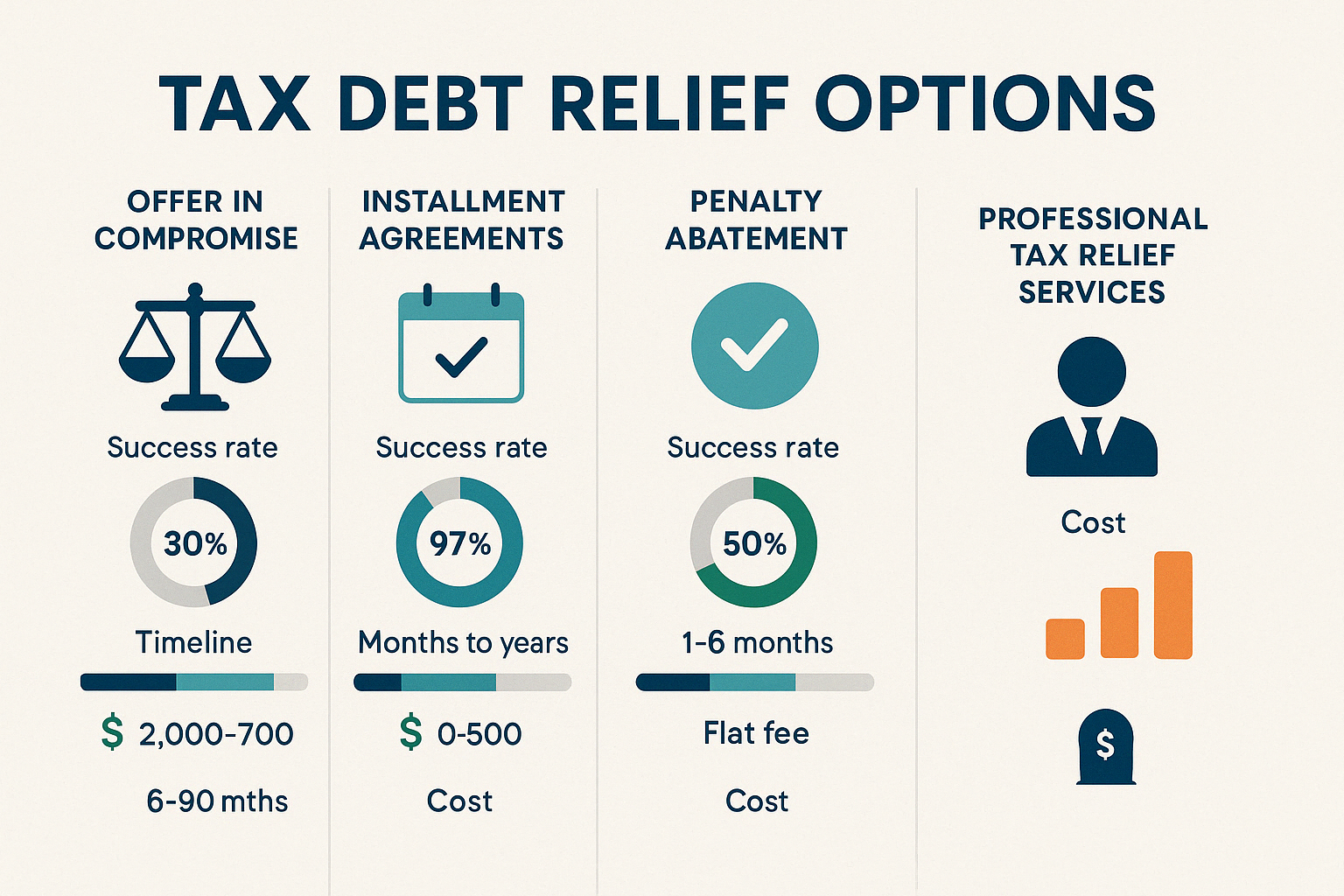
This can be an extremely risky solution for dealing with financial obligation, so it's essential to understand the pros and cons: You'll rack up charges from your creditors and from the financial obligation settlement firm, but there's a possibility of conserving money when it's all over with. While some lenders will not work out a settlement, others may accept a lump amount for just 50% of what you owe.
That may seem like forever, however for some debtors this could mean being financial obligation free quicker than if they settled their complete financial obligation balances on their own. Several customer advocacy companies caution individuals versus utilizing financial obligation settlement, consisting of the Federal Trade Commission (FTC) and the Consumer Financial Security Bureau (CFPB).
It can take as much as 3 years or more to save up adequate money for settlement offers, so numerous clients end up leaving of their financial obligation settlement program before they've settled their financial obligations. Financial obligation settlement can damage your credit rating simply as much as submitting bankruptcy, and settled financial obligations will stay on your credit reports for 7 to 10 years.
Debt settlement business declare they can get as much as 70% of your charge card financial obligation forgiven, however the reality is that your lenders might decline to work with a debt settlement company. The IRS requires you to report forgiven debt of $600 or more as gross income, so you may have to pay more taxes after debt settlement.
Steps to Lower Credit Card Debt in 2026
The lawsuit might lead to wage garnishment or frozen checking account. In addition to debt settlement, there may be other ways to have some of your financial obligation forgiven. This includes programs like the Department of Education's Civil service Loan Forgiveness Program, or other unique choices from loan providers who forgive financial obligation due to financial challenges.
Here are some of the pros and cons of going this path: If you receive a genuine loan forgiveness program, you might gain from having actually financial obligation forgiven. You'll likely still have to pay some of it back, but the cost savings could be a huge financial aid. Debt forgiveness frauds have actually become increasingly common since the pandemic, specifically trainee loan scams.

Latest Posts
Proven Ways to Handle 2026 Debt Stress
Comprehensive Debt Relief Reviews for 2026
Comprehensive Credit Consolidation Analyses